Agentic ai
EDGAR Intercepts: Weaponizing Analyst Intuition
System Architect and Strategist
Mentors
Team Members
Anurag Alladi
Spandan Sarkar
Ankit Kachhap
Sanglap Chakraborty
Date
1 Week


The Ingredients Without the Recipe
Imagine having access to every single ingredient in a Michelin-star kitchen, but no recipe. Institutional traders still spend grueling hours through an ocean of financial data. Why? Because the cost of getting it wrong isn't just a bad trade, it's the kind of systemic corporate deception that led to the Global Economic Crash in 2008.
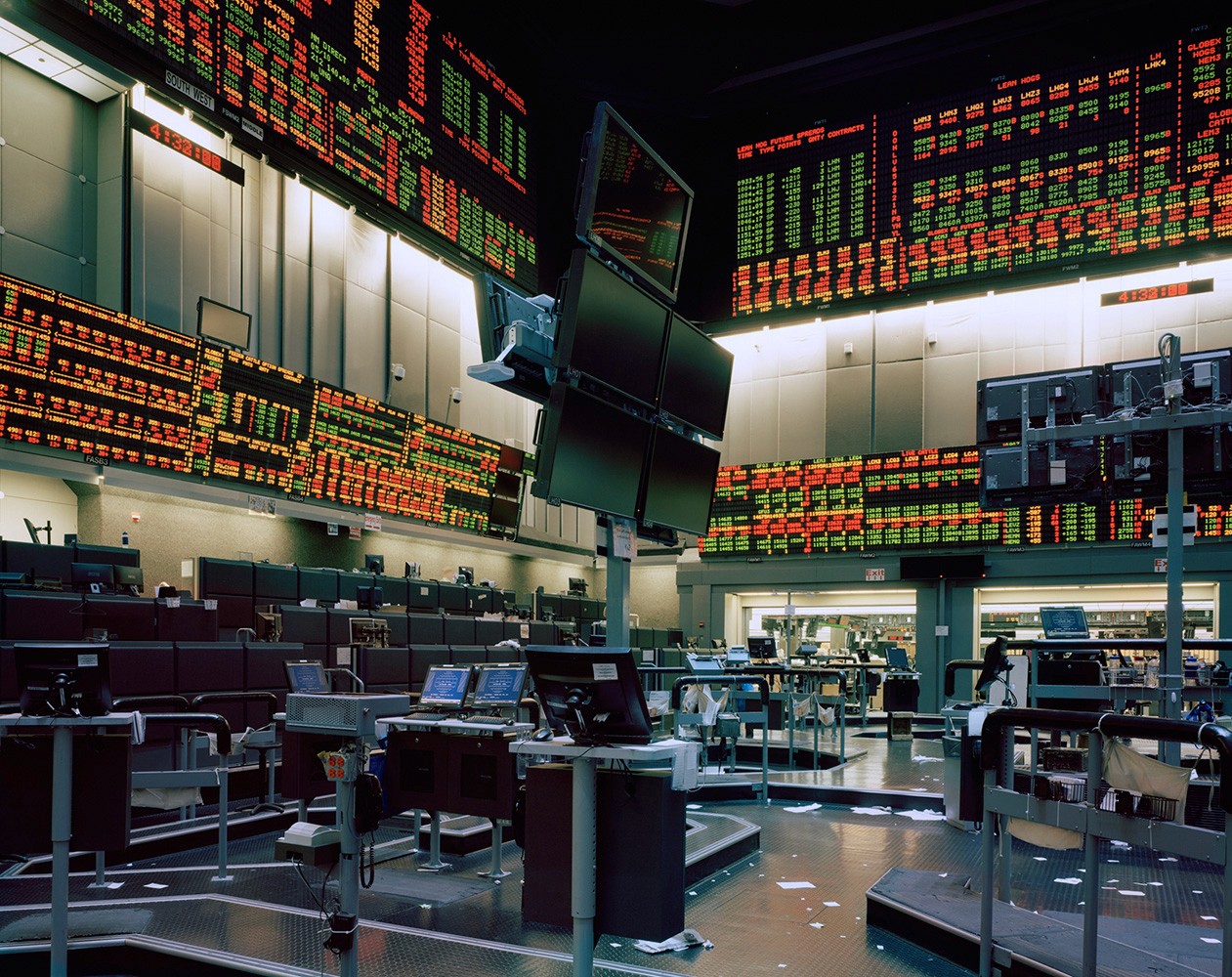
The above is an image from the Wall street during the economy crash in 2008, where trading offices were left completely.
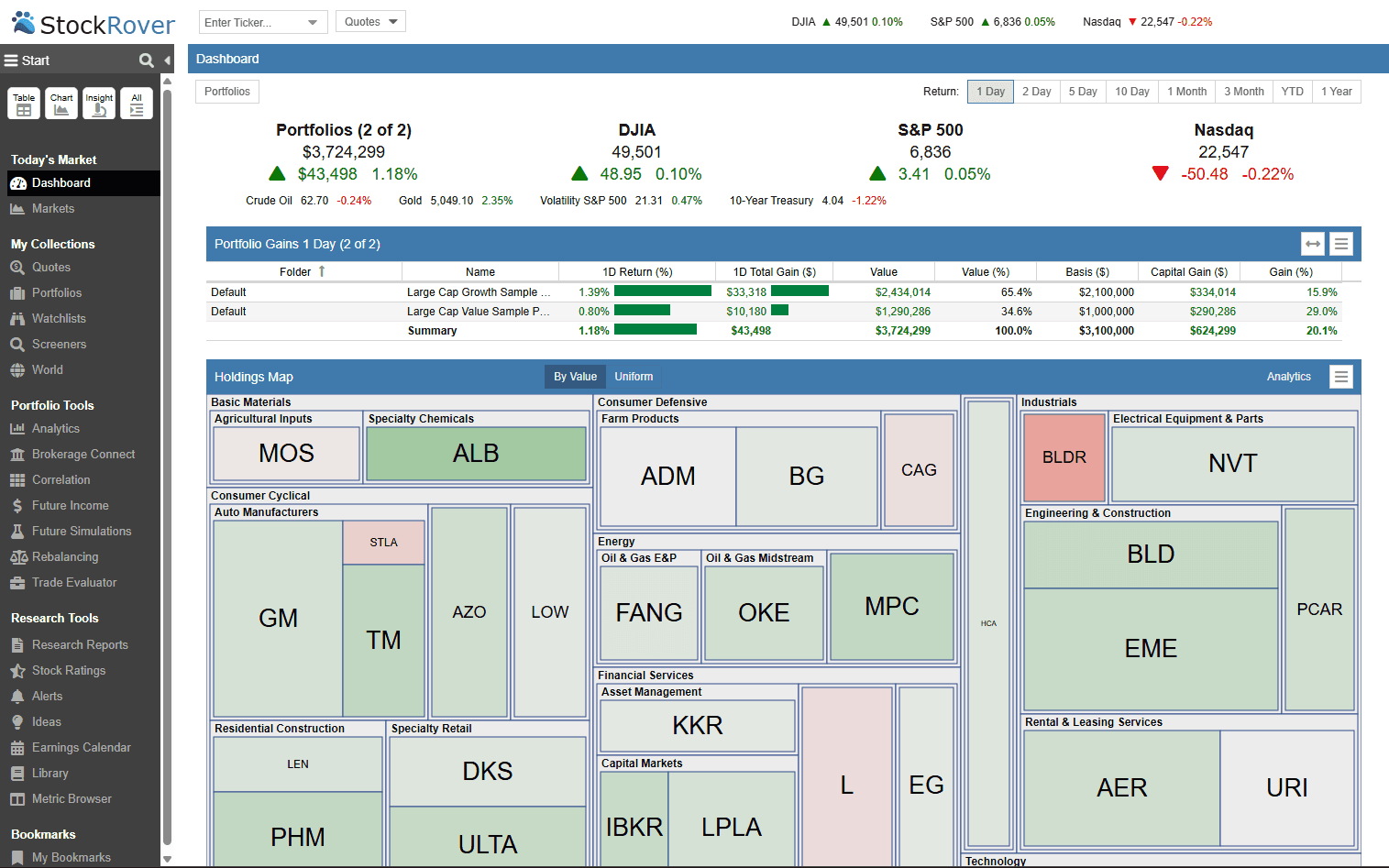
Yup, thats Stock Rover
Stock Rover, a wildly powerful, institutional-grade terminal boasting over 700 fundamental metrics. It is built for the rational, data-heavy investor. it provides massive data depth, but zero synthesis. It acts as a passive watchdog, it gives you the numbers but what to do with them, thats on you.
Desk Research & User Reality
To understand the friction, we went through online sources analyzed 50 in-depth user reviews. The data painted a clear picture of cognitive overload:
10/50 users face issues with visual clarity and waste time switching tabs
80% time used in researching about the stock
34/50 reviews were regarding validating stock data
Users spent a lot of time cross referencing data
The Obvious Bait
Based on the above findings the solution would be pretty obvious to anyone. Clean up the UI. Build a standard AI filter and funnel that hides the noise and only shows the stock data the user explicitly asks for.
Why It Works-
Well, It Wont.
The Hidden Trap
This "obvious" solution was a trap. First, competitors like Seeking Alpha and WallStreetZen were already doing this exact "Simplified Synthesis". Building it would just make Stock Rover a late copycat. Second, Stock Rover's legacy ExtJS framework and "snap model" data architecture physically could not support fluid, real-time AI filtering without breaking the platform's core mechanics.
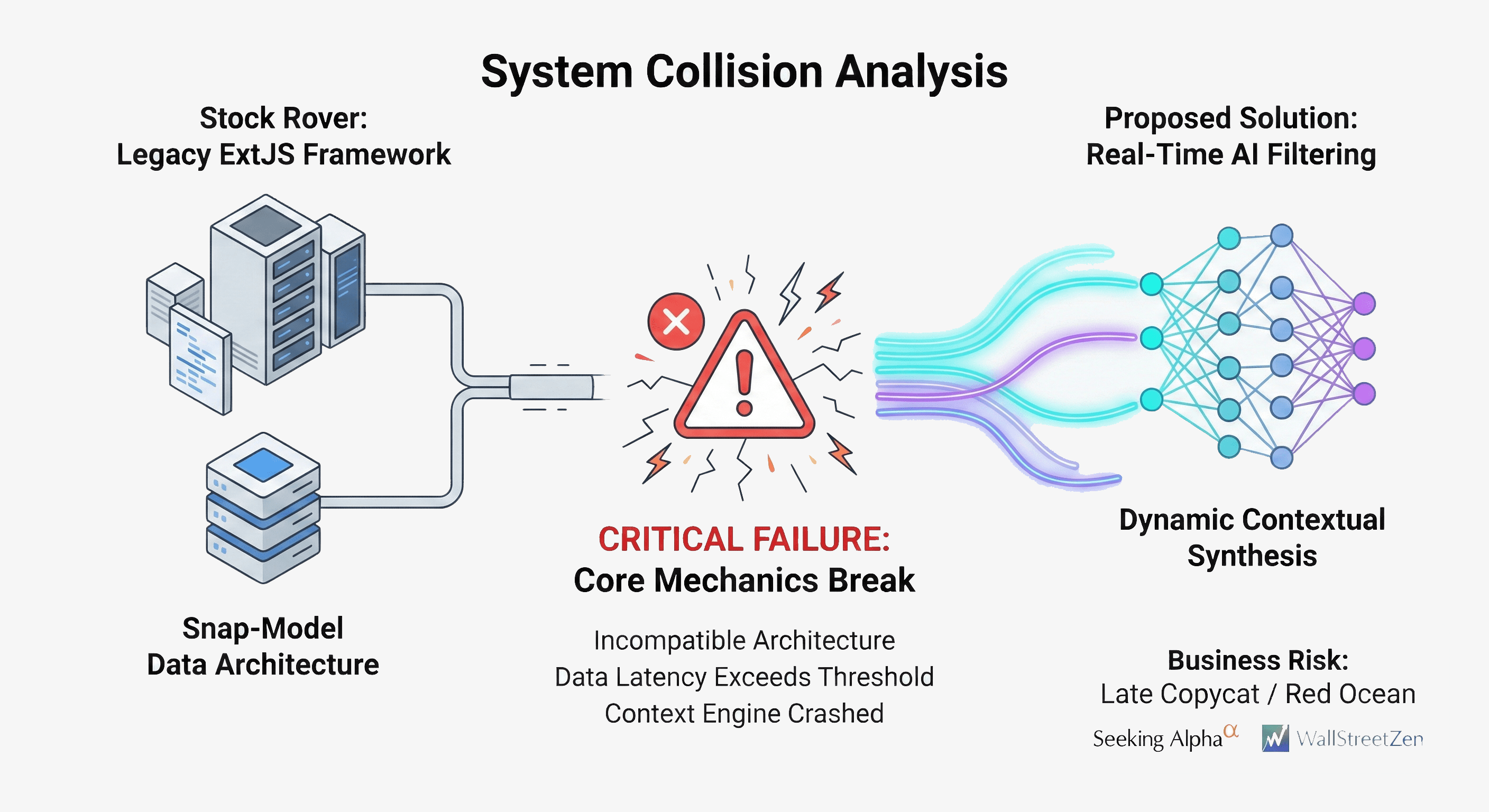
What do we do now?
We Pivot.
Connecting the Missing Dots
Looking closer at the research insights, a massive contradiction emerged:
80% of time spent analyzing: Why is this taking so long if all 700+ metrics are readily available on the platform?
Time wasted switching tabs: Where are they going when they leave the dashboard?
Endless cross-referencing: What exactly are they validating the data against?
Uncovering the "Black Market" of Data
To find the answer, I initiated an AI consultation, adopting a "Senior Forensic Analyst" persona. I asked it point-blank: If the platform has all the data, why do users keep leaving?
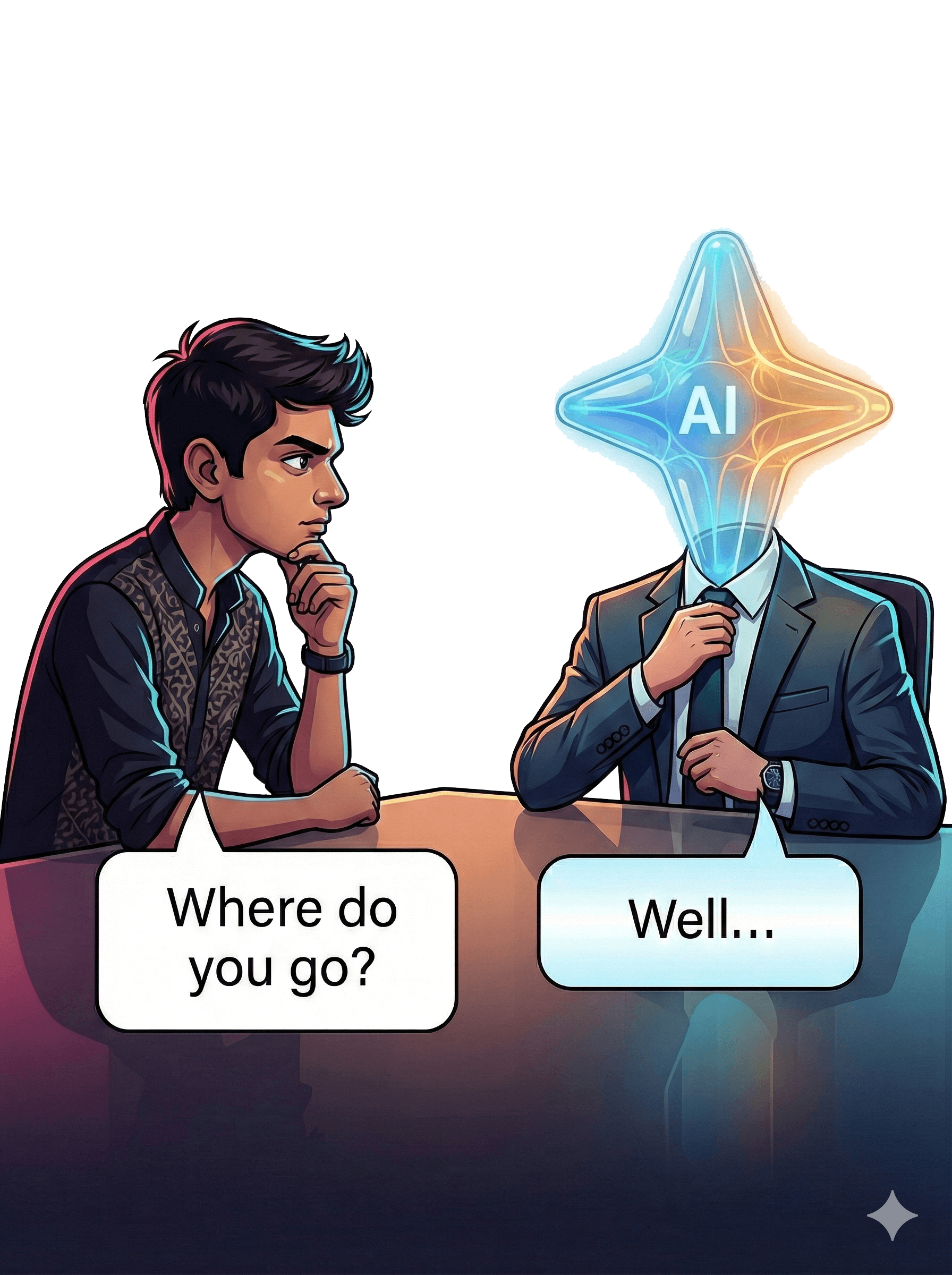
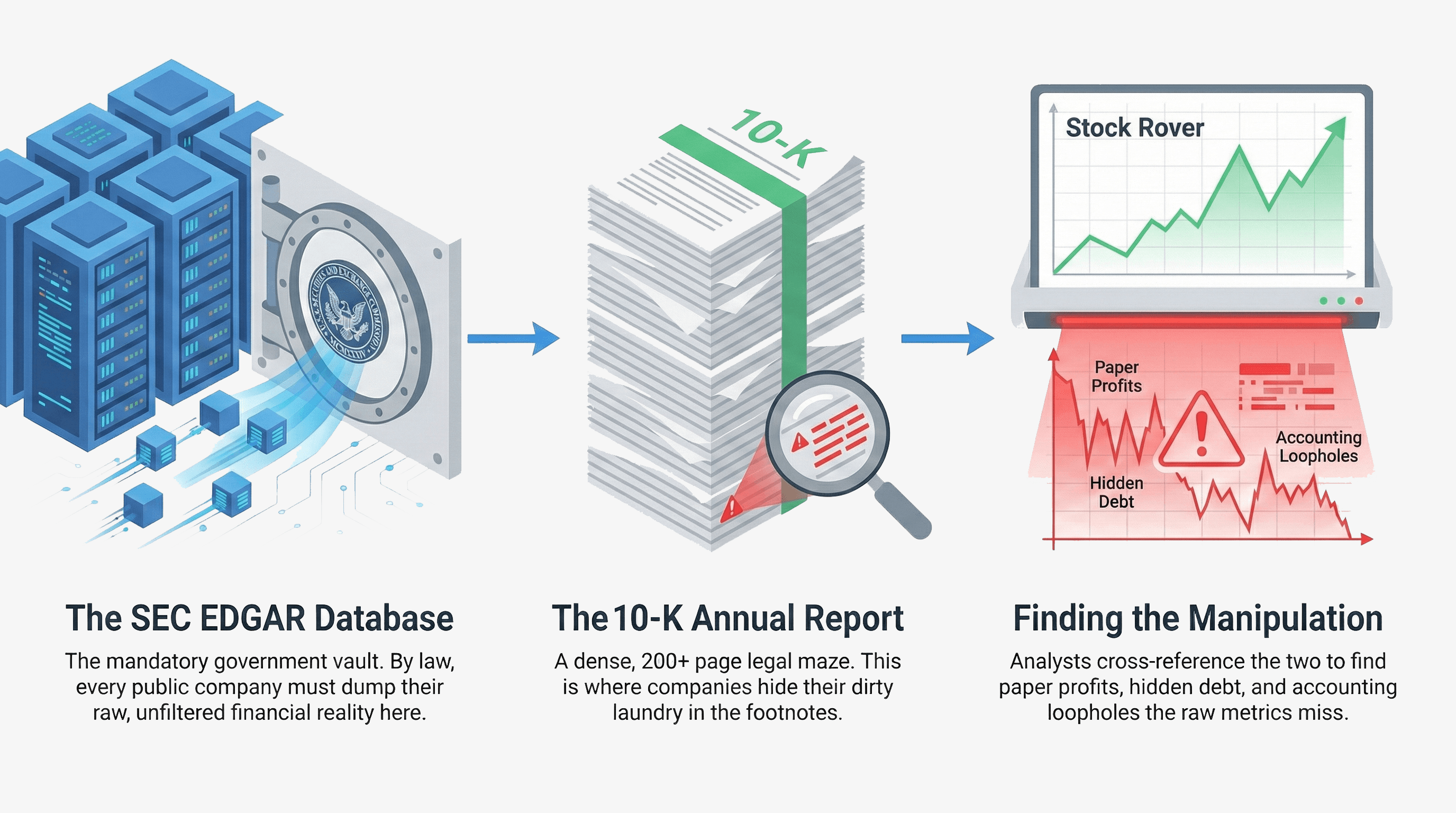
The truth unfolded. Professionals were hunting for the narrative. They leave Stock Rover to cross-reference data directly with the SEC EDGAR Database, digging into official 10-K and 10-Q filings. They are looking for accounting loopholes, paper profits, and corporate manipulation that raw numbers alone cannot show.
Connecting it All
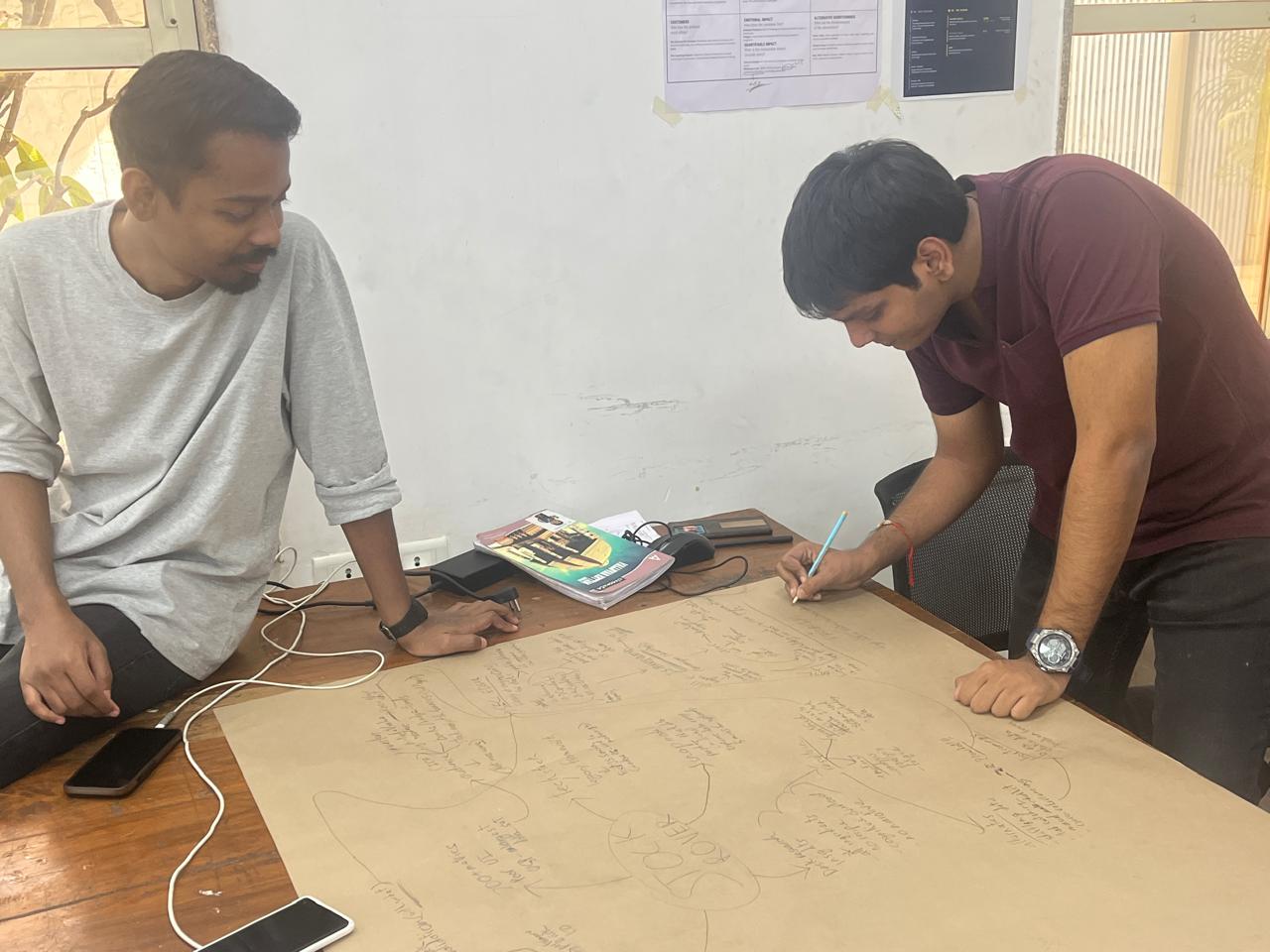
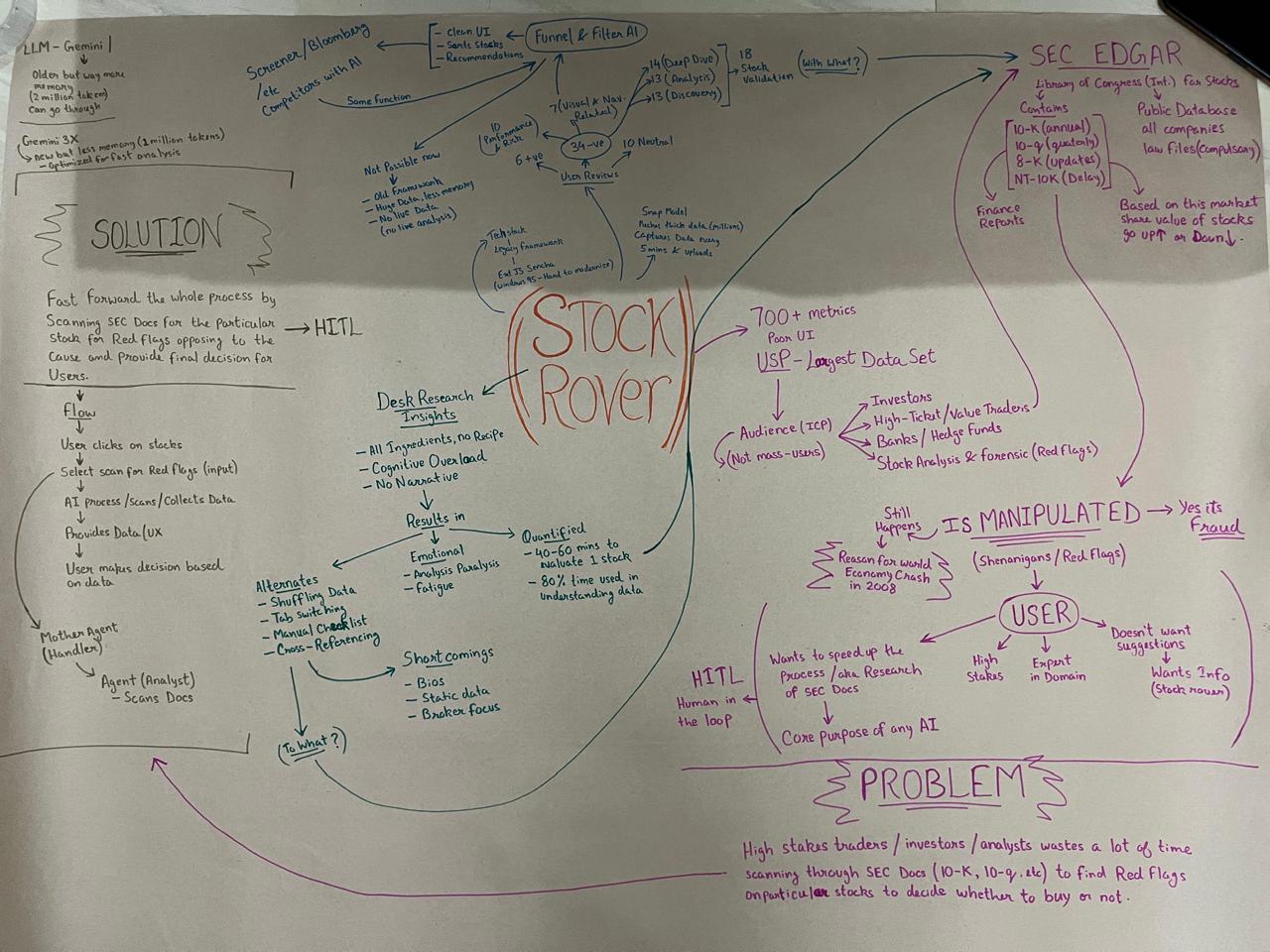
After understanding the root situation going on deep beneath in the files hidden in the SEC database, I decided to brain dump every single thing we had to connect everything together and lock in the actual problem.
The True Problem Statement
When elite financial analysts are forced to spend 80% of their time manually cross-referencing dense SEC footnotes to validate a stock's safety, the resulting cognitive fatigue leads to missed red flags, critical errors, and leaves the investor dangerously vulnerable to corporate deception hidden in the fine print.
The "Big Short" Dilemma: Finding Our User
We faced a new dilemma. We couldn't design a solution without knowing exactly what the user wanted, and these were not mass-market consumers. They were a highly niche, inaccessible group of institutional-grade analysts.
How do we empathize with a user we can't talk to?
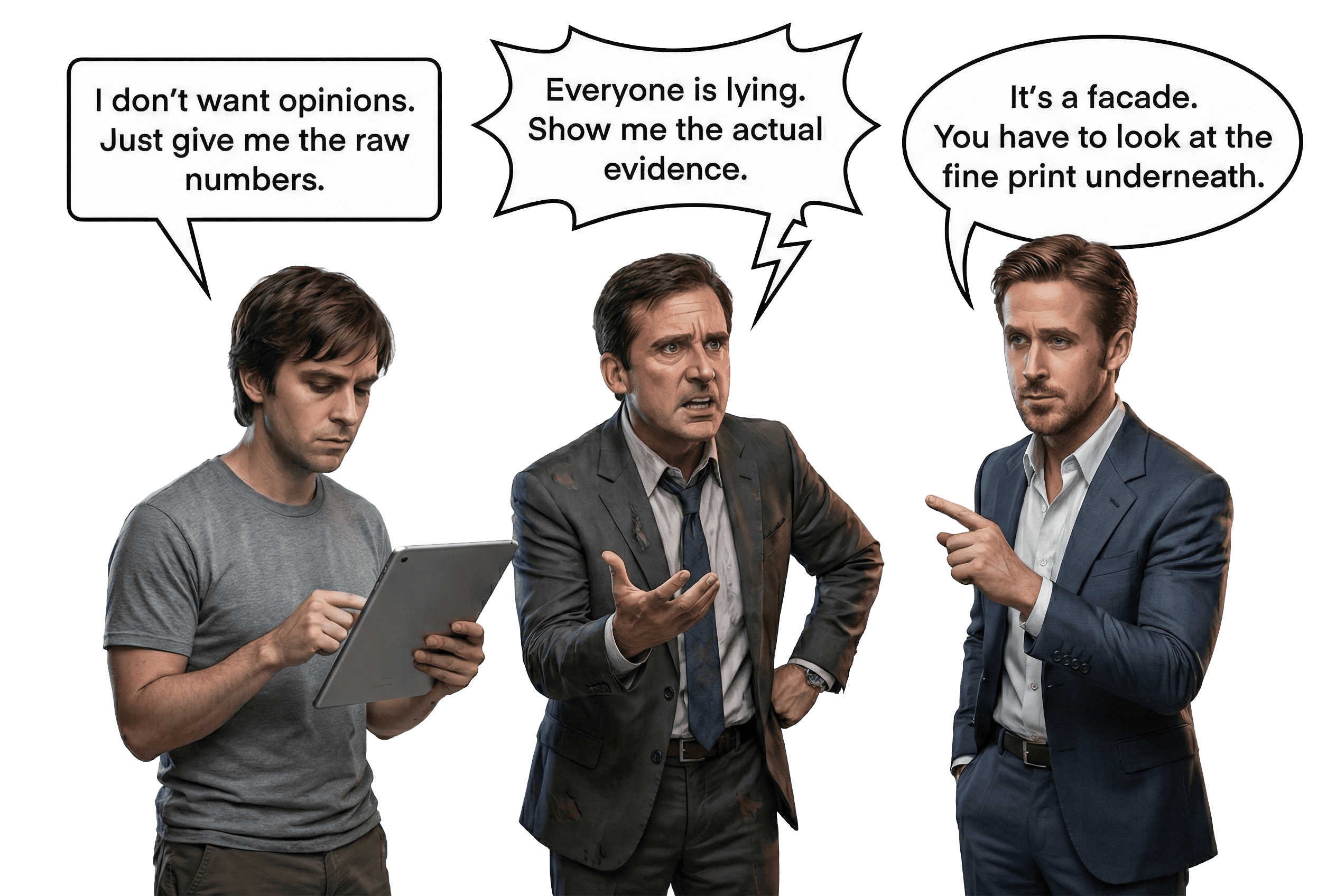
We remembered that this exact type of forensic manipulation caused the 2008 crash. So, we turned to the movie The Big Short. By studying characters like Mark Baum we gained some clarity. These users are skeptical, adversarial, and deeply distrustful of "black box" AI. They don't want an AI to tell them what to buy, they want the raw evidence highlighted so they can make the final judgment.
The Solution: A Forensic Agent
We architected a centralized Multi-Agent System (MAS) built entirely around a Human-in-the-Loop (HITL) philosophy. The AI does the heavy lifting of parsing the legalese, but provides no recommendation at all and the human retains total control over the final trade decision.
Strategic Architecture & Trade-offs
Designing for institutional finance means optimizing for zero-trust accuracy and compute efficiency over raw AI generation.
RAG over Base LLM Generation: Hallucinating a synthetic number in finance is a fatal error. The system mandates a strict Retrieval-Augmented Generation (RAG) framework, forcing the AI to act as a forensic librarian that only cites factual SEC databases.
Context Window over Model Recency (Gemini 1.5 Pro): SEC filings exceed 200 pages. The architecture proposes Gemini 1.5 Pro to leverage its 2-million token window, prioritizing the absolute recall of critical footnotes over the fractional speed of newer models.
Deterministic Math over AI Inference (GAAP Logic): LLMs are word-guessers, not calculators. Instead of letting the AI guess financial health, the design routes all quantitative analysis through a hard-coded GAAP logic engine, reserving AI strictly for qualitative context.
Compute Optimization (The Gatekeeper Protocol): Triggering a multi-agent loop for an invalid ticker burns massive API compute. "Agent-1" is architected as an initial reflex bouncer to instantly validate requests, drastically reducing server load before waking up the heavier agents.
Meet the Team: The 4-Agent Architecture
To prevent systemic crashes, we divided the labor into four highly specialized agents:

Agent-1
(The Gatekeeper)
A simple reflex agent that listens for the user's click and validates the stock symbol instantly.

Agent-2
(The Mother)
A goal-based agent that manages the task queue, fetches PDFs, and compiles the final report.

Agent-3
(The Accountant)
A model-based worker that parses the raw tables, calculates changes, and flags anomalies.

Agent-4
(The Critic)
It listens to the feedback and modifies the system to ensure zero false alarms over time.
The MAS System
The Multi-Agentic system architecture to show how the flow of this whole AI works from start to end.
The Forensic Brief UI
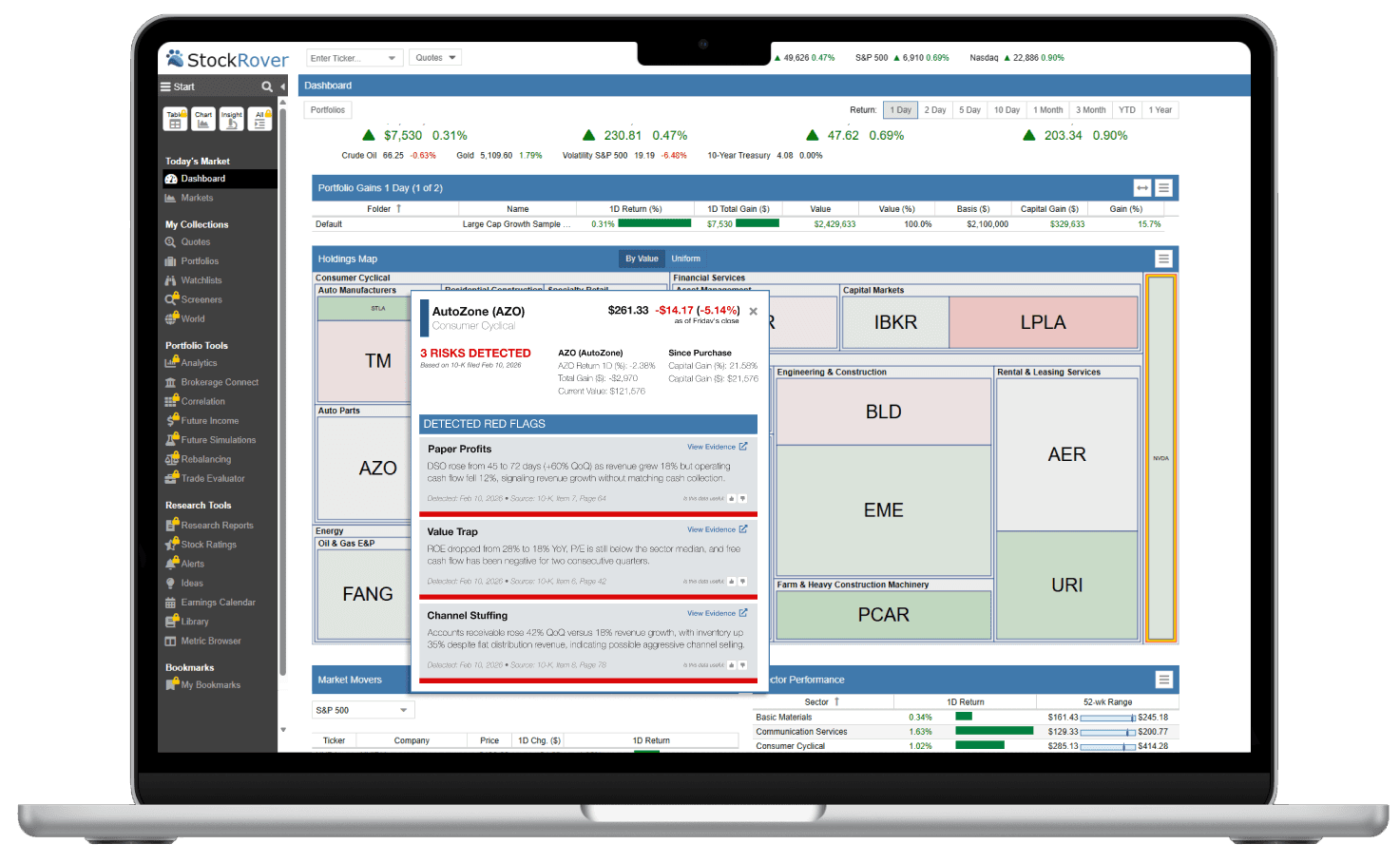
The interface is a hyper-dense, zero-fluff overlay. The system doesn't just issue a warning; it provides a "View Evidence" link anchored to the exact page and paragraph of the SEC 10-K. It brings the receipts. No recommendation is provided to ensure no bias and keep the final decision in the hands of the user. This is where we bring our human in the loop.
Synthesizing Actionable Intelligence
Synthesizes 200-page 10-K filings into high-leverage red flags. Enforces a zero-trust environment by linking every AI-generated claim directly to the source document for instant analyst verification.
Handling Delisted Assets
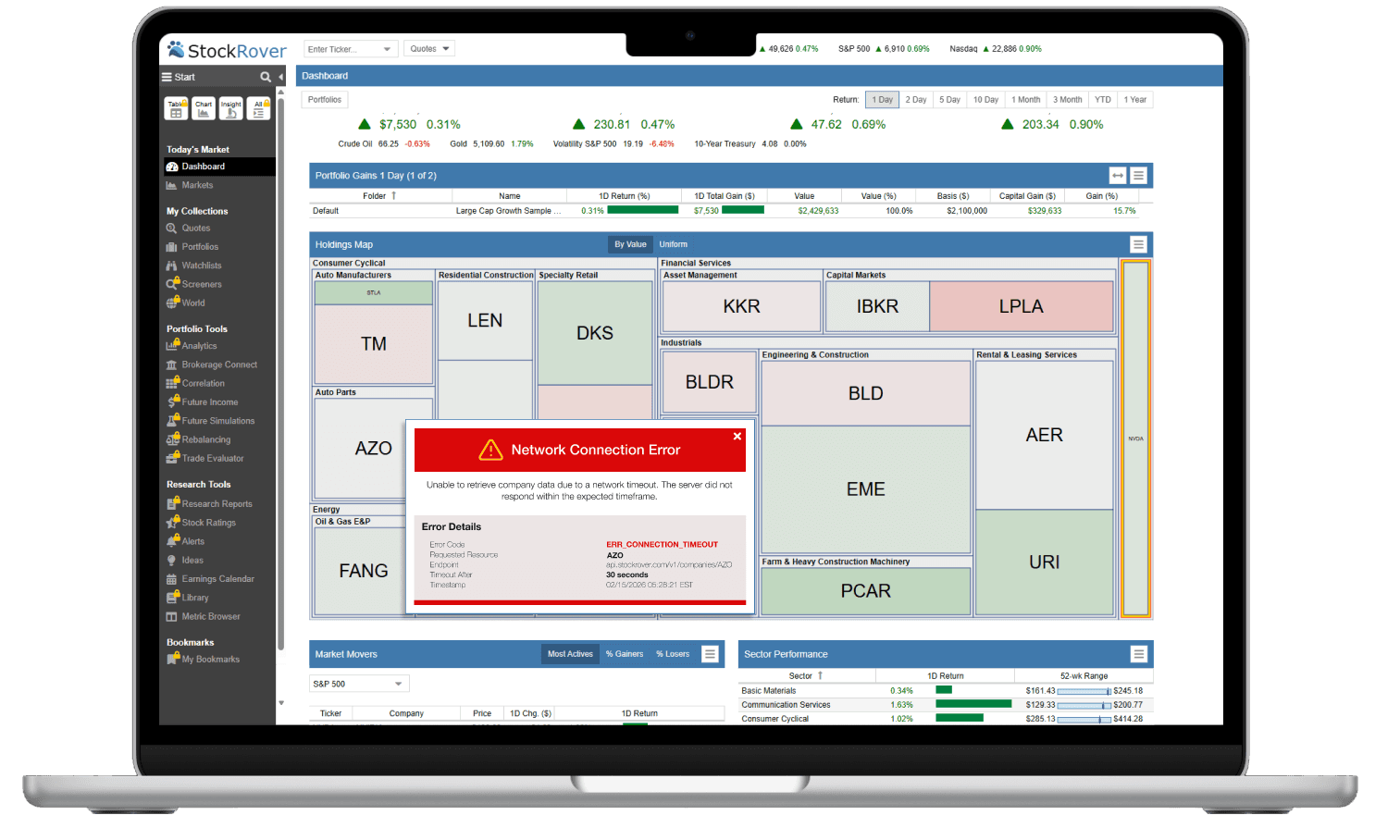
The Gatekeeper Agent intercepts requests for delisted assets before they reach the LLM. This hard-stop prevents hallucinated financial metrics and optimizes API compute efficiency.
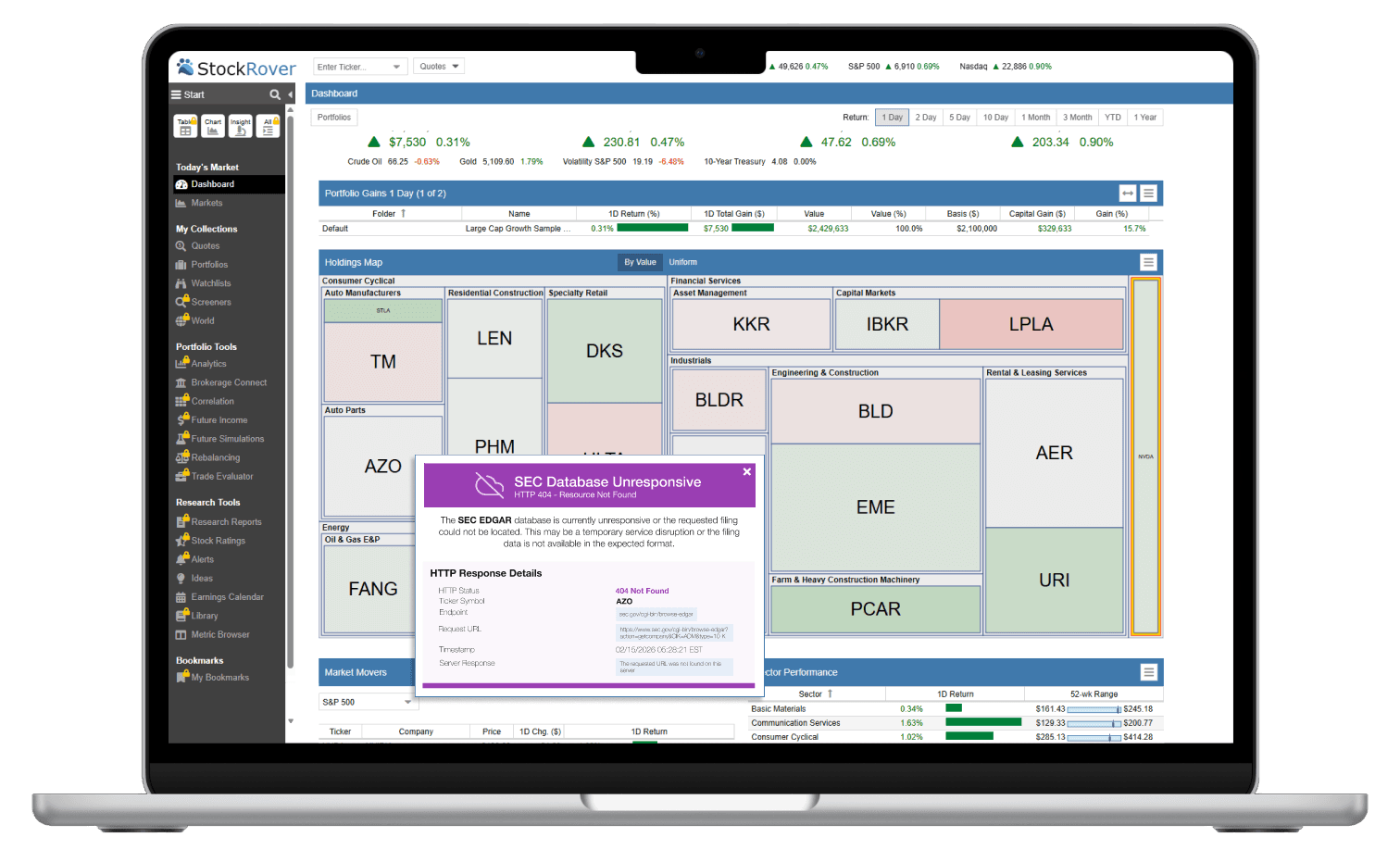
The HTTP 404 Fail-Safe
Handles external API failures by exposing raw HTTP 404 responses from the SEC database. This eliminates ambiguity and prevents analysts from stalling on broken data pipelines.
Latency & Timeouts
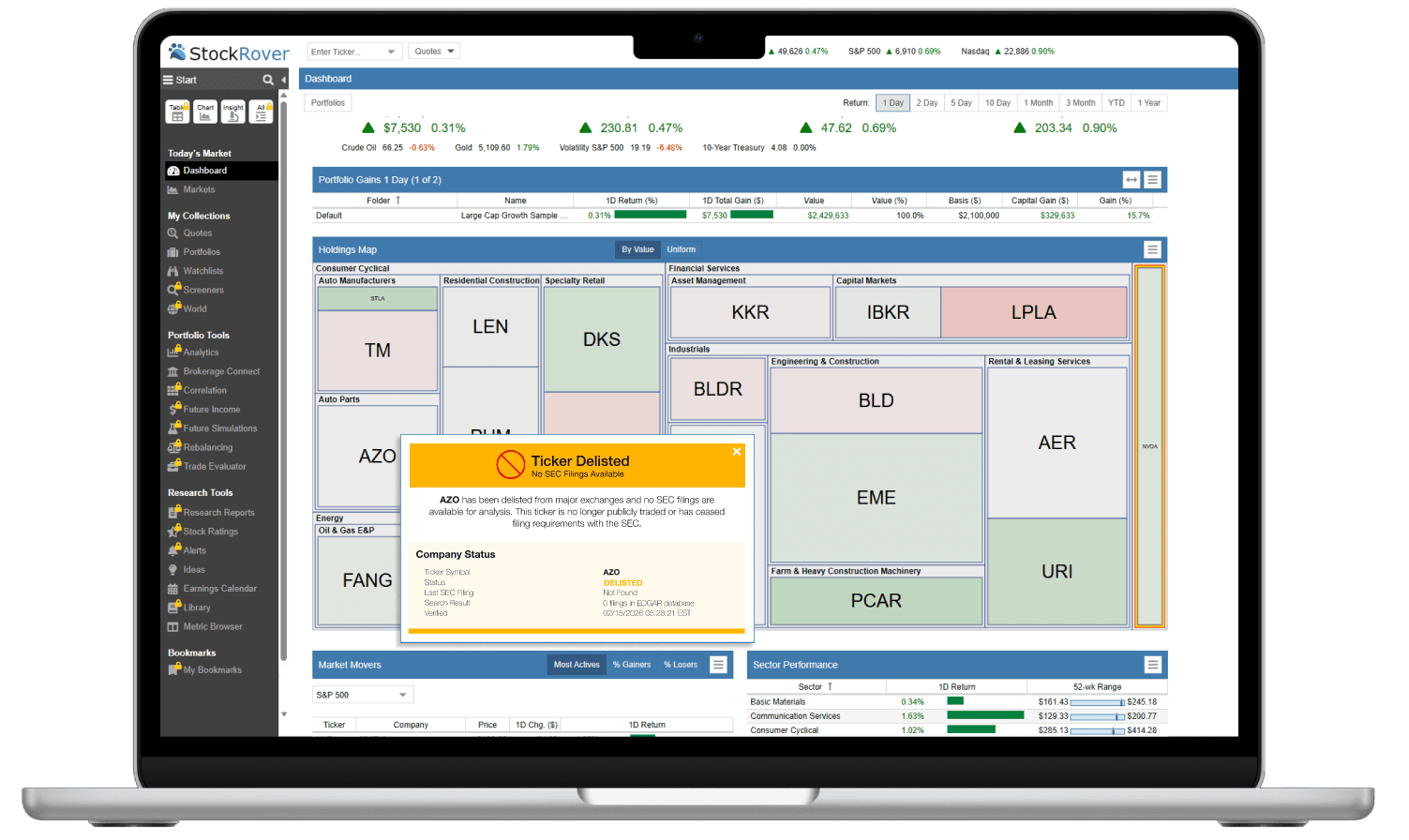
Executes a hard-stop during severe network latency to prevent system hanging. Exposing exact timeout codes (ERR_CONNECTION_TIMEOUT) gives institutional analysts immediate technical context rather than generic error friction.
Next steps
To push this concept toward a production-ready state, my immediate next steps would be:
Live Simulated Stress Testing: Deploying a functional Zapier prototype with actual finance students or junior analysts to measure task completion time.
Expanding to 8-K Feeds: Integrating a real-time listening layer for 8-K filings to catch sudden C-Suite exits or auditor resignations the moment they hit the wire.
My Key Learnings
Trust Equals Transparency: In institutional design, a sleek UI means nothing if the data provenance is hidden. Providing exact citations and audit trails is the only way to get a professional to trust an AI.
Systemic Risk Trumps UI Friction: Finding the real problem required looking past the "ugly buttons" and understanding the terrifying macro-economic risk of missing a footnote in a 200-page legal document.
Orchestration over Generation: The future of complex UX isn't a single omnipotent chatbox; it is designing the invisible choreography between specialized, decentralized agents that work together to serve the human.