
Sensory Design
Presence Illusion: Behavioral IoT Security
System designer
The Everyday Security Gap
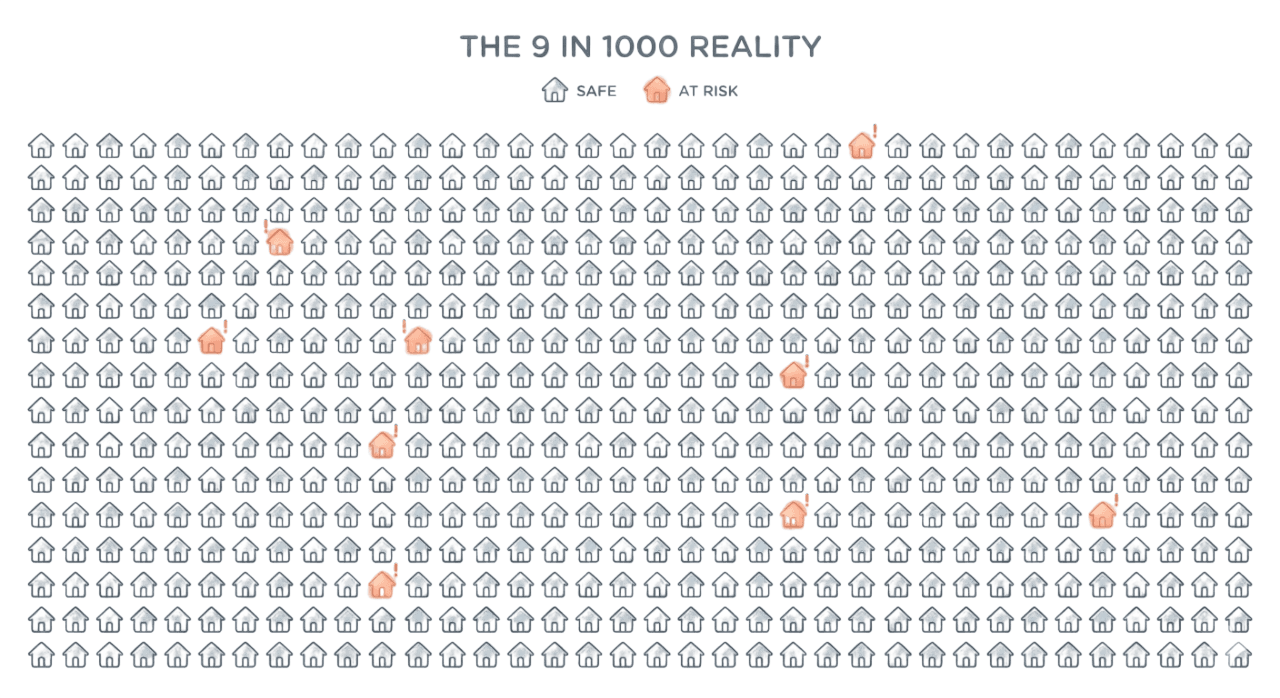
For 9 out of every 1,000 households, home security is a reactive failure. Users leave for work, rely on static locks, and return to compromised homes. Our objective was to design a preventative, frictionless system tailored for working professionals that stops unauthorized entry before the perimeter is ever breached.
The Real Problem: Too Little, Too Late
We dove deep into online studies, research papers, and real conversations with people who’ve experienced break-ins. Here’s what we found:
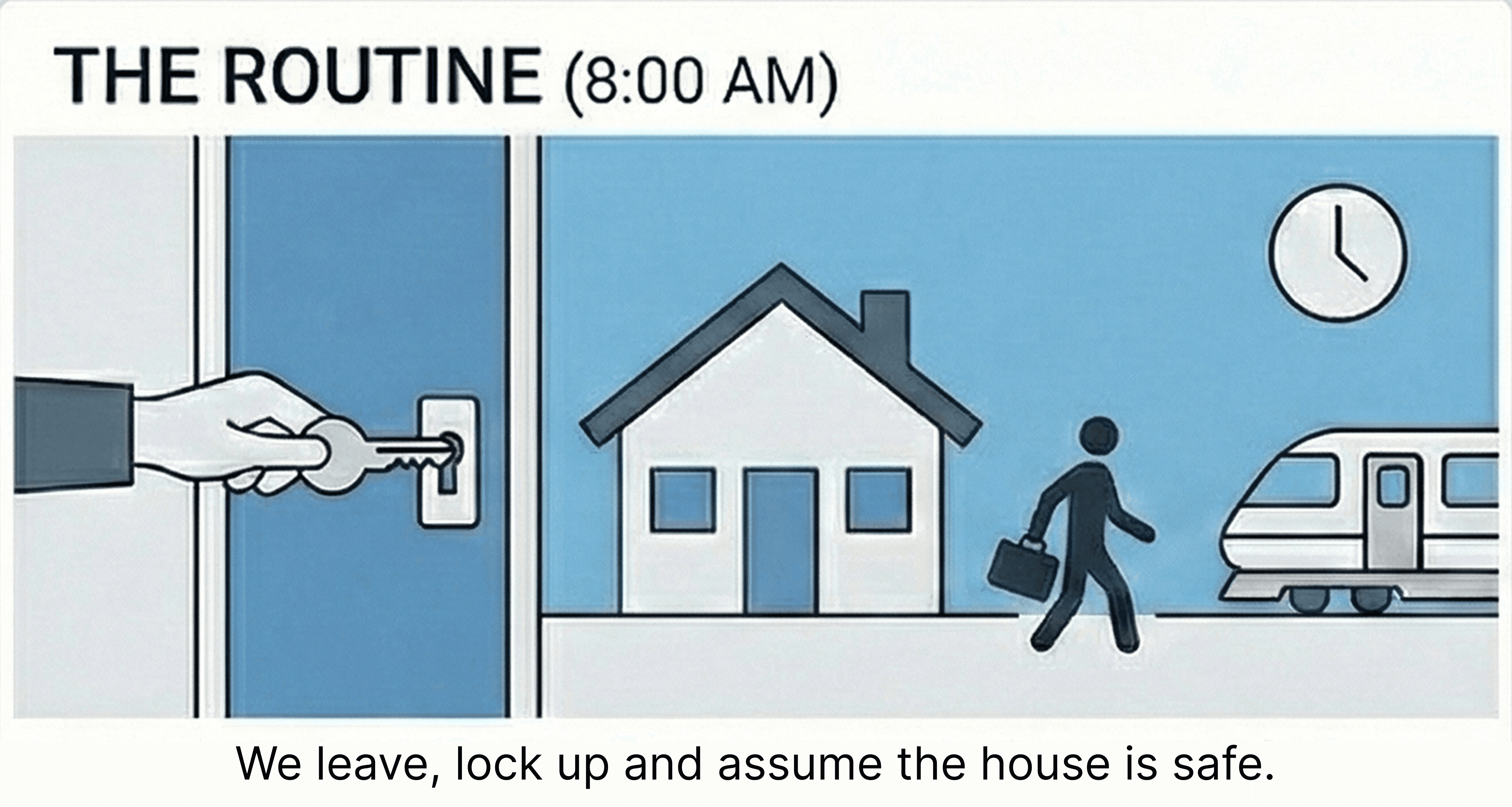
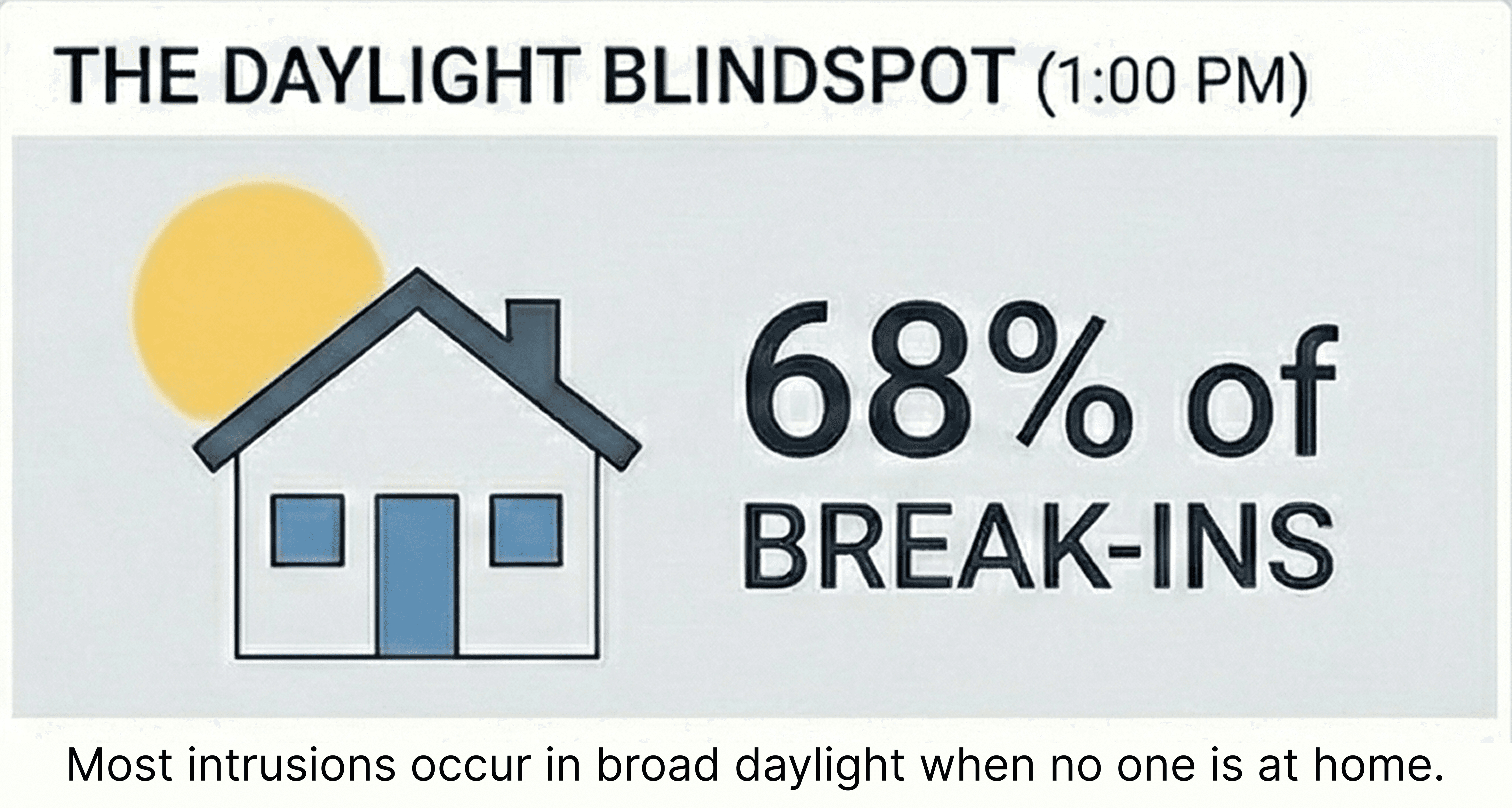
68% break-ins happen in broad daylight when you are at work (8 AM - 7 PM).
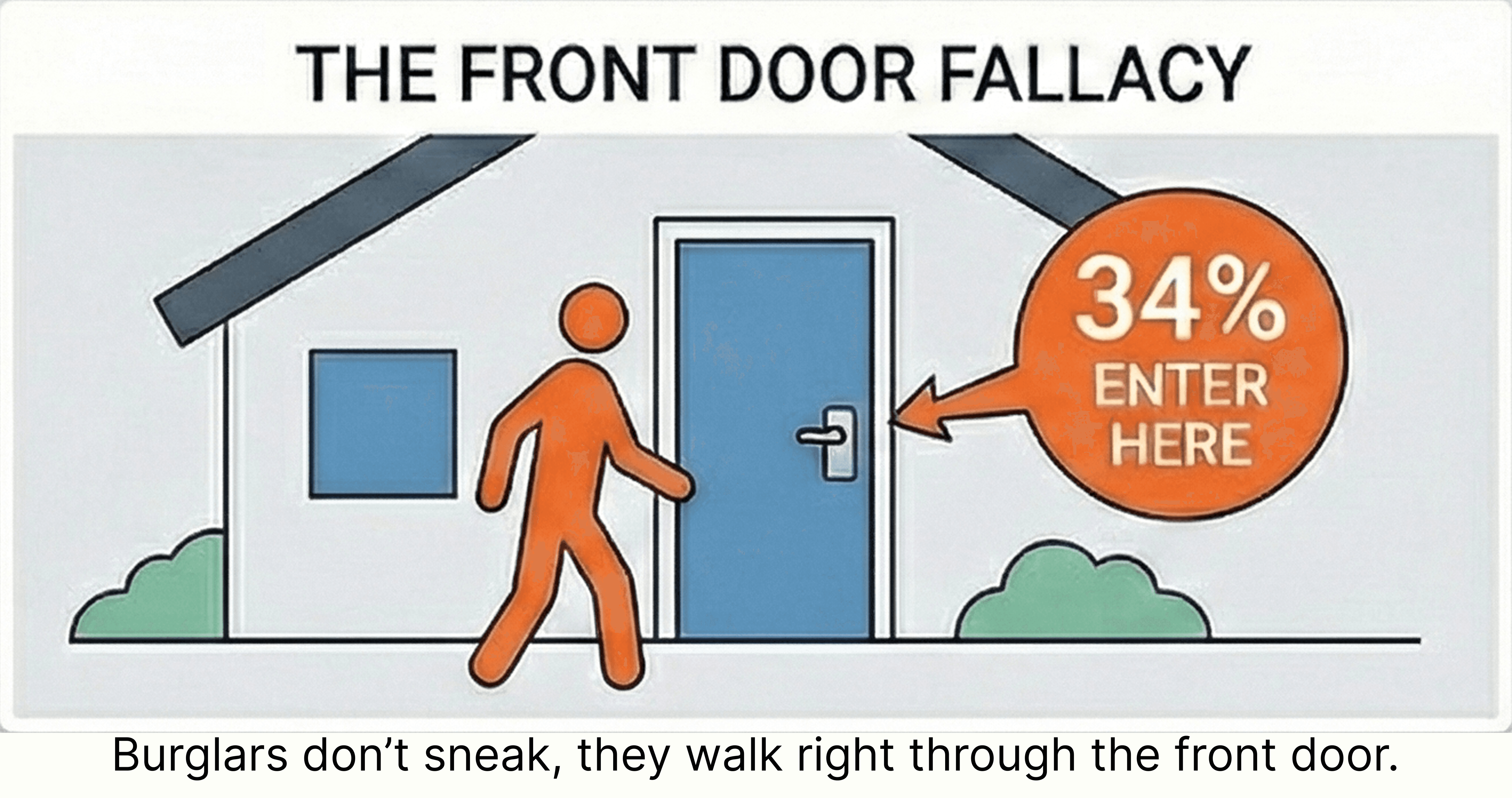
Burglars don’t sneak in through vents like in the movies—34% walk right through the front door, while 23% use ground-floor windows.
Security concerns vary based on city culture and societal structure—gated communities feel safer, while standalone homes are more vulnerable.
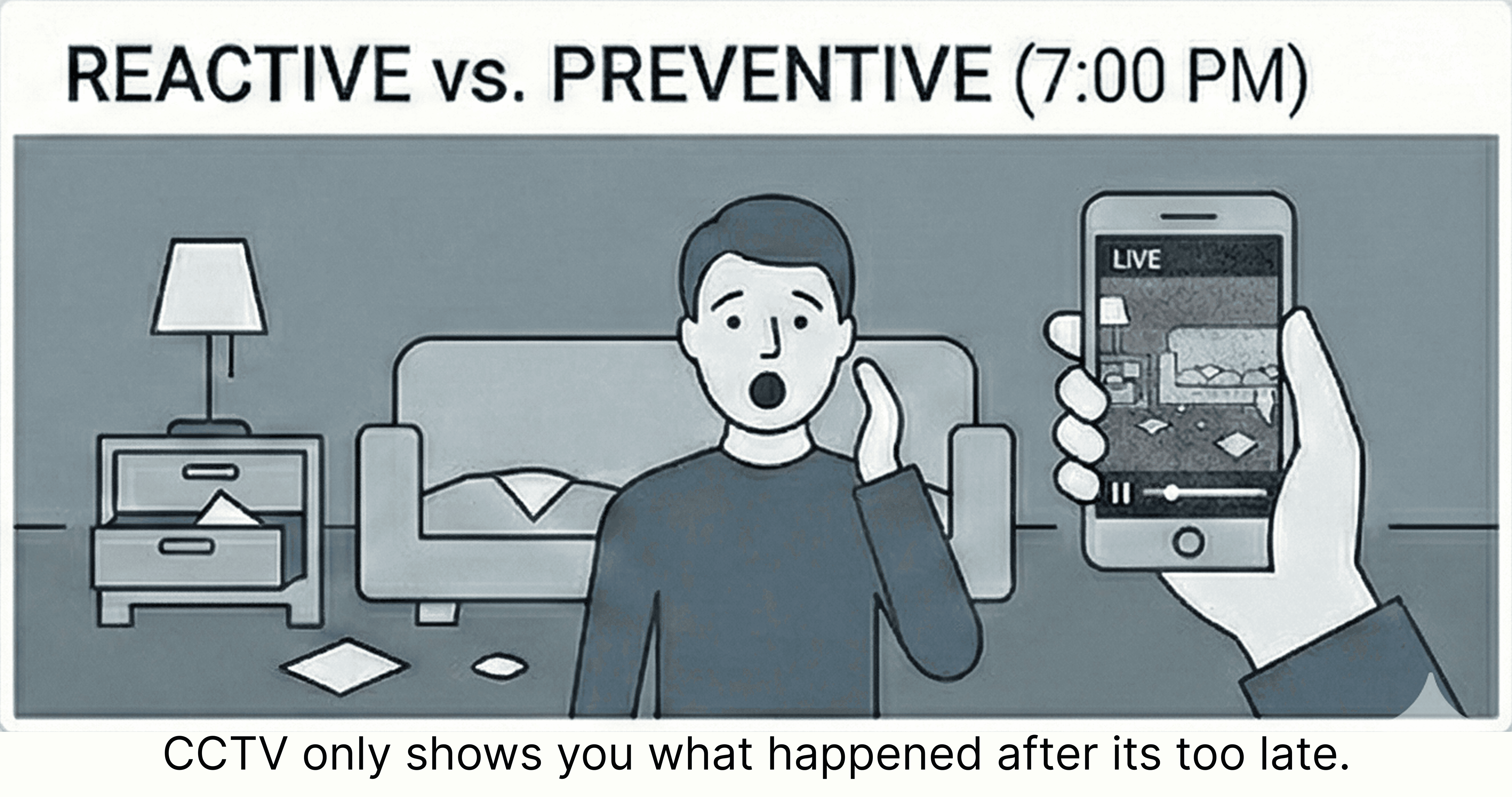
The standard system in the name of security currently are CCTV cameras and locked doors, which are reactive measures rather than preventive ones.
The biggest issue? People only realize a break-in has happened after it’s Too Late.
Validating User Friction
We conducted interviews with homeowners and working professionals. The key insights?
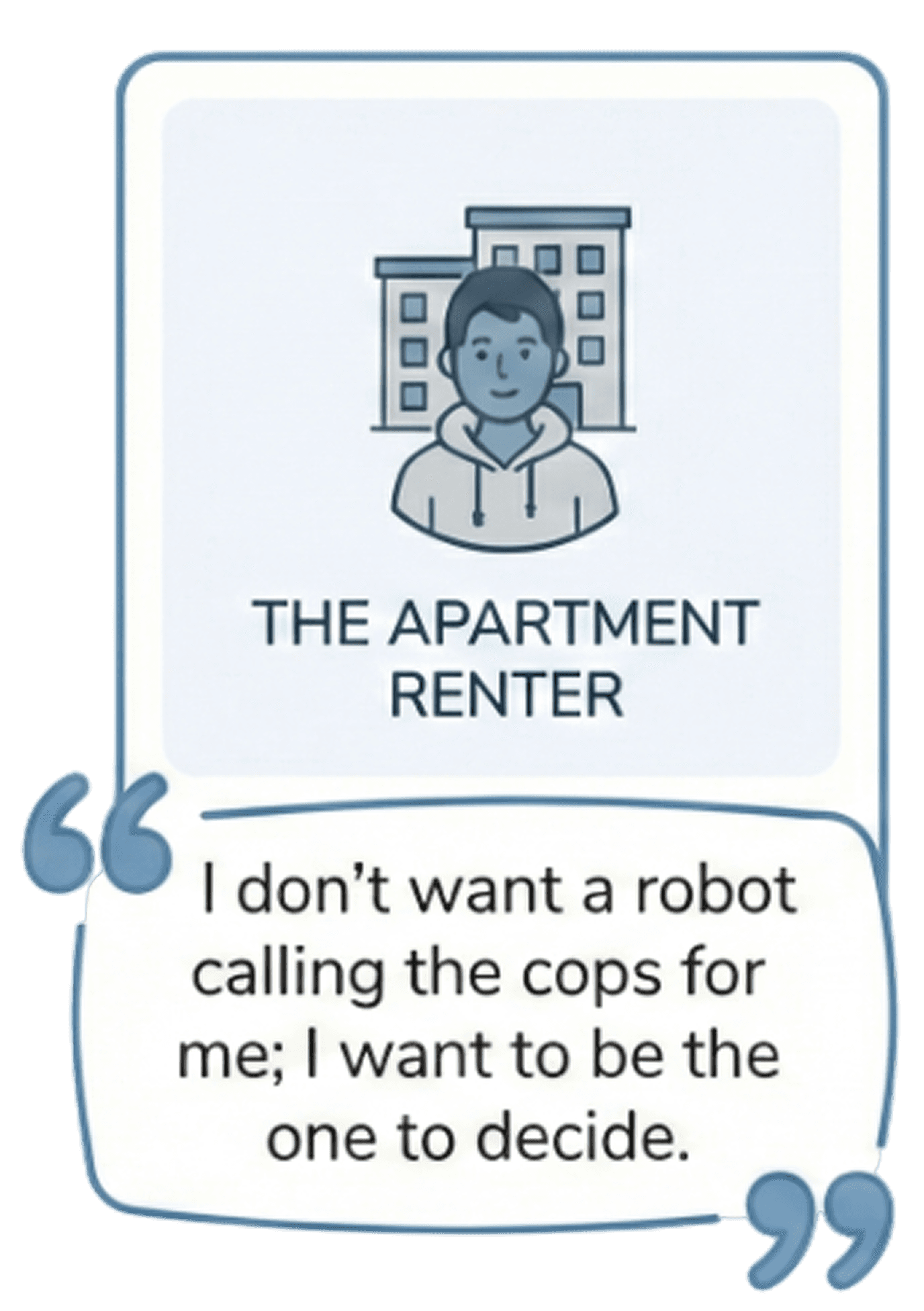
They don’t fully trust an automated system to call security on their behalf.
They prefer prevention over emergency responses.
They want real-time alerts so they can act immediately.
We needed something that didn’t just record a burglary but stopped it from happening in the first place.


What if the burglars could never be sure?
Burglars don’t just pick houses at random. They look for signs that no one’s home. Instead of focusing on expensive surveillance or alarms that trigger too late.
What if we could trick burglars into thinking someone was home even when the house was empty?
The Strategy: Auditory Deterrence
Burglars do not pick targets randomly; they look for definitive signs of vacancy. Taking inspiration from the behavioral tactics popularized in media like Home Alone, we hypothesized: What if we weaponize the illusion of occupancy? Instead of outfitting a home with expensive, obvious surveillance, we use ambient audio to trick intruders into believing the house is actively inhabited.
The Solution
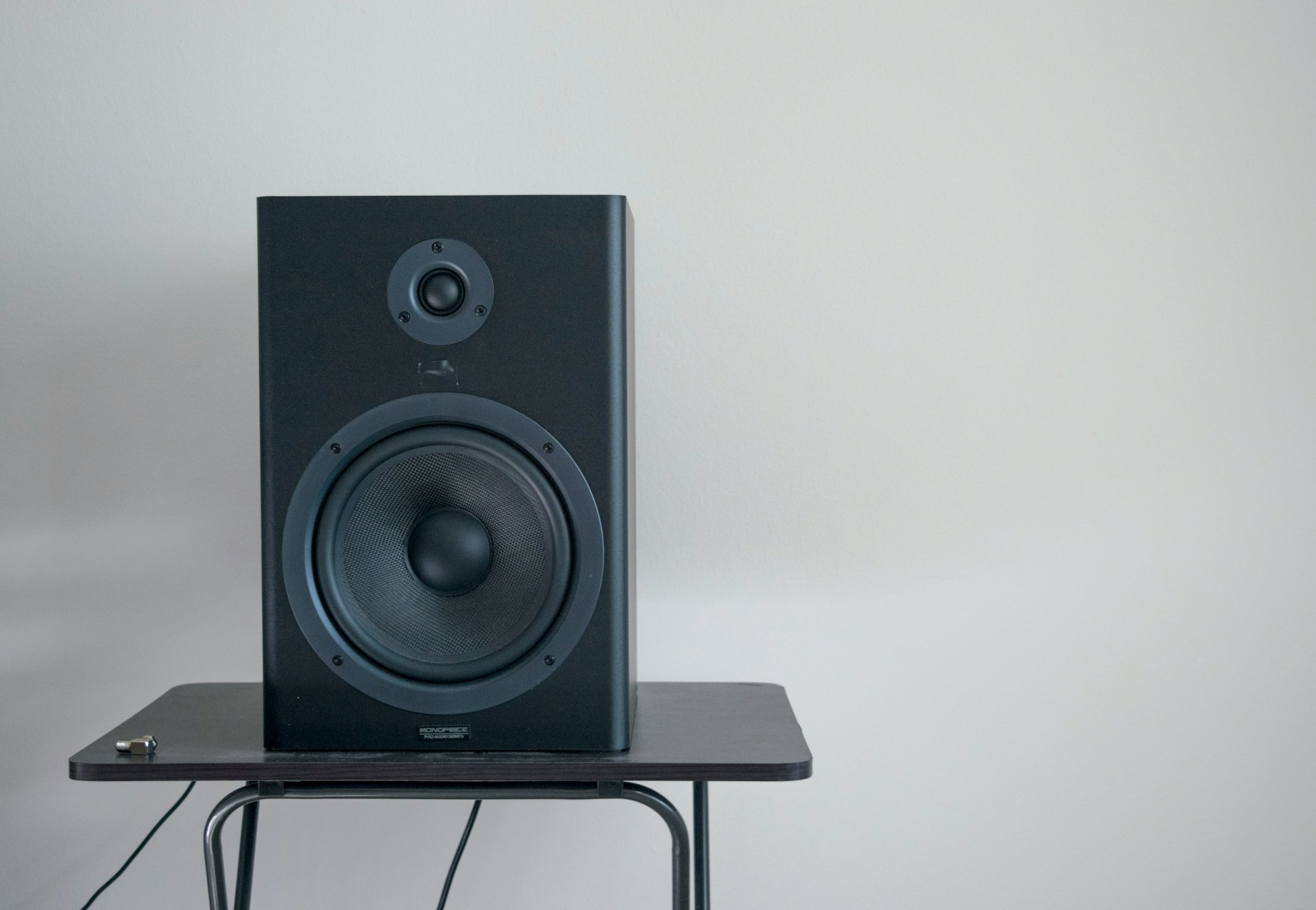
The design system uses a motion sensor at the front door that detects movement and triggers a speaker inside the house. The speaker plays pre-recorded audio simulating an active household footsteps, casual conversations, kitchen sounds making it seem like people are inside.
Why it should Work
Low-cost—No expensive smart cameras or security subscriptions.
Easy setup—No professional installation needed.
Zero learning curve—No complicated controls or settings.
Proven effectiveness—Studies show that 8-9 out of 10 burglars flee when they hear people inside.
Blends into daily life—Nothing looks ‘obviously’ like a security system, reducing the chance of tampering.
User boost—Using simple at-home technology in a smart and innovative way helps user empowerment.

Catering to different households
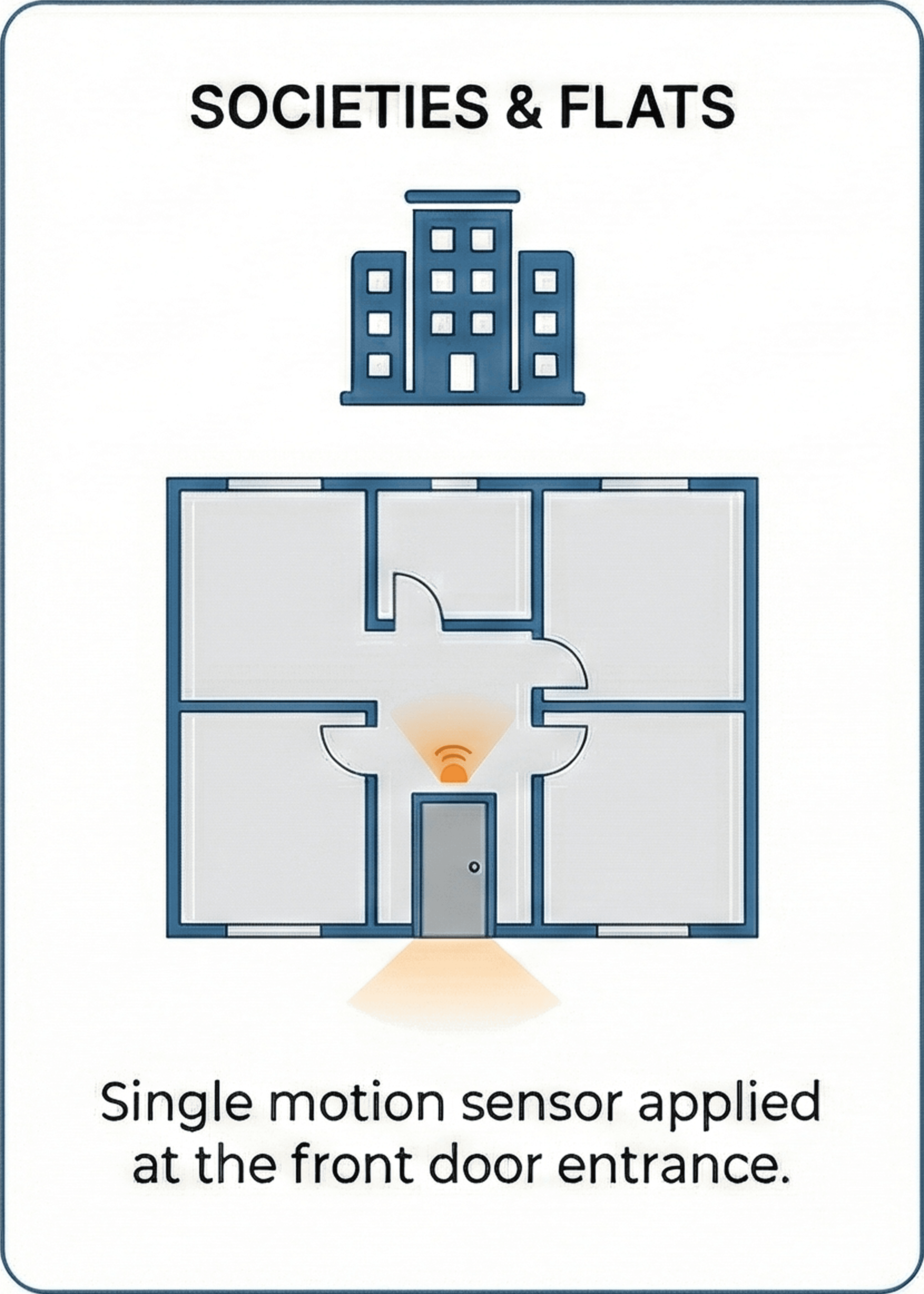
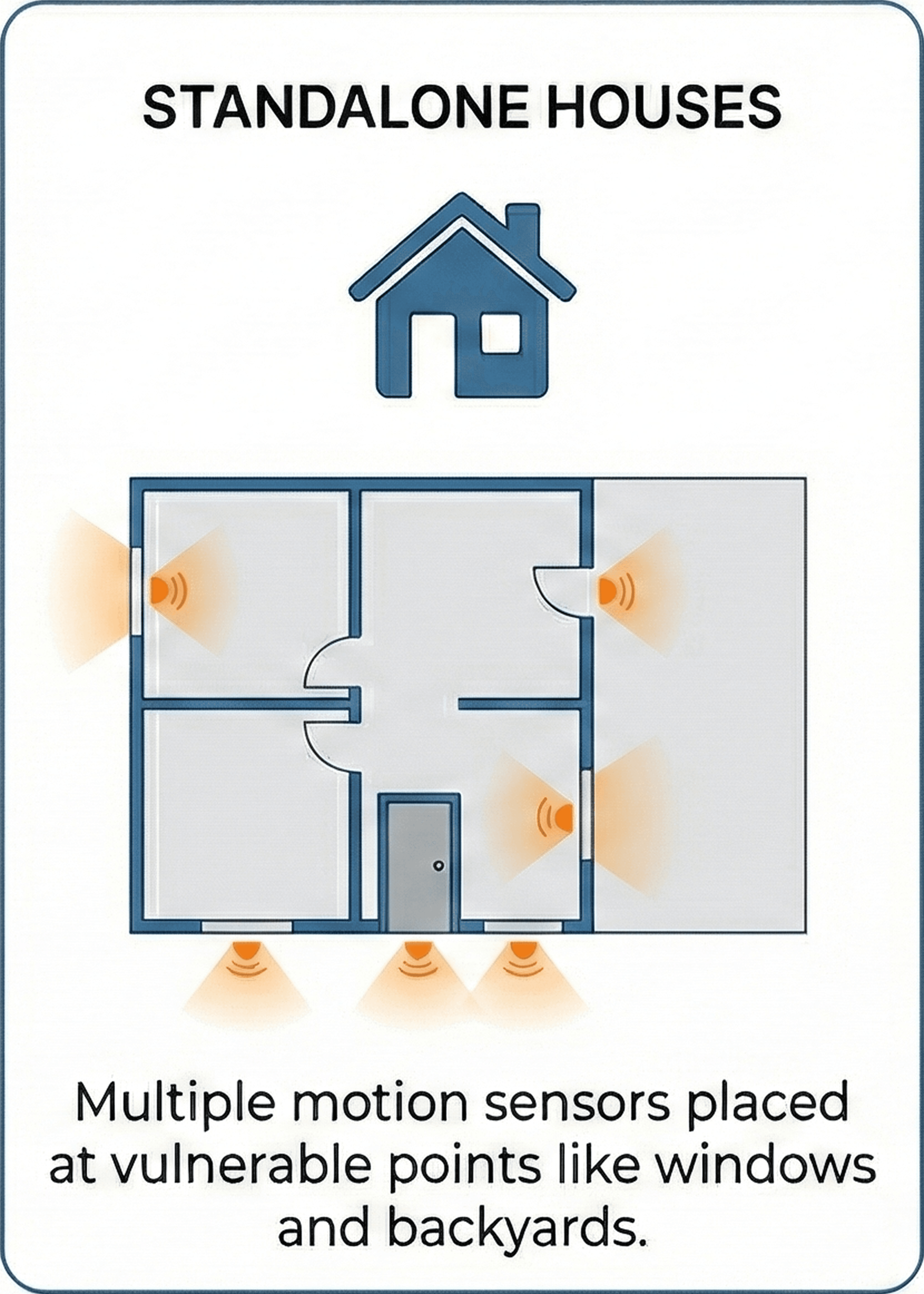
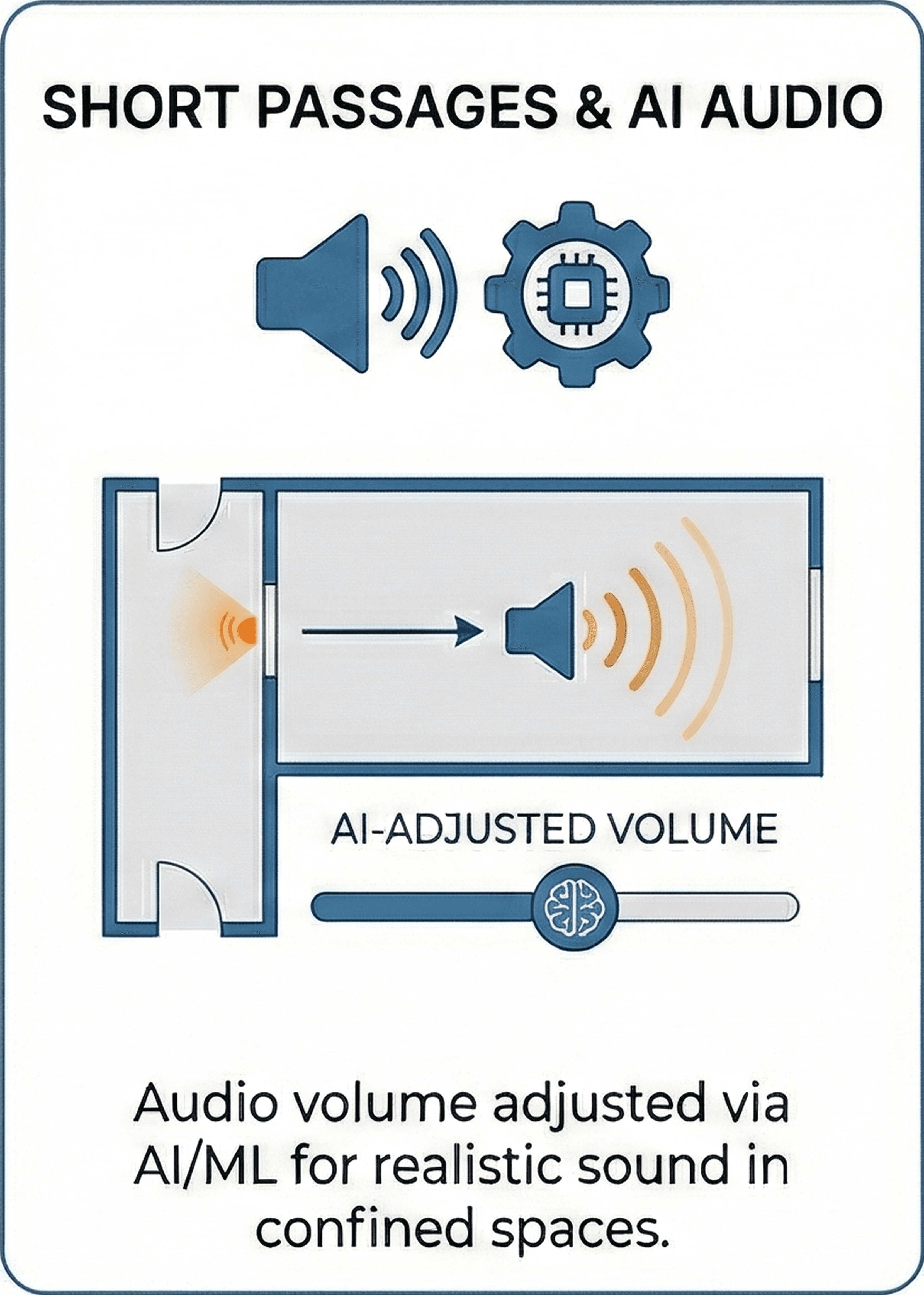
Each setup is customized based on the house's layout and specific security needs.
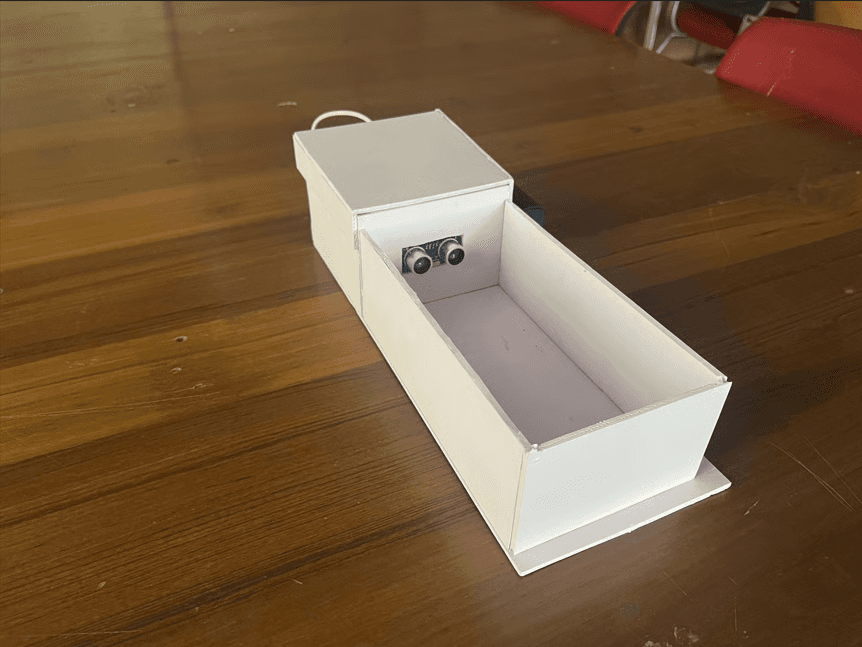
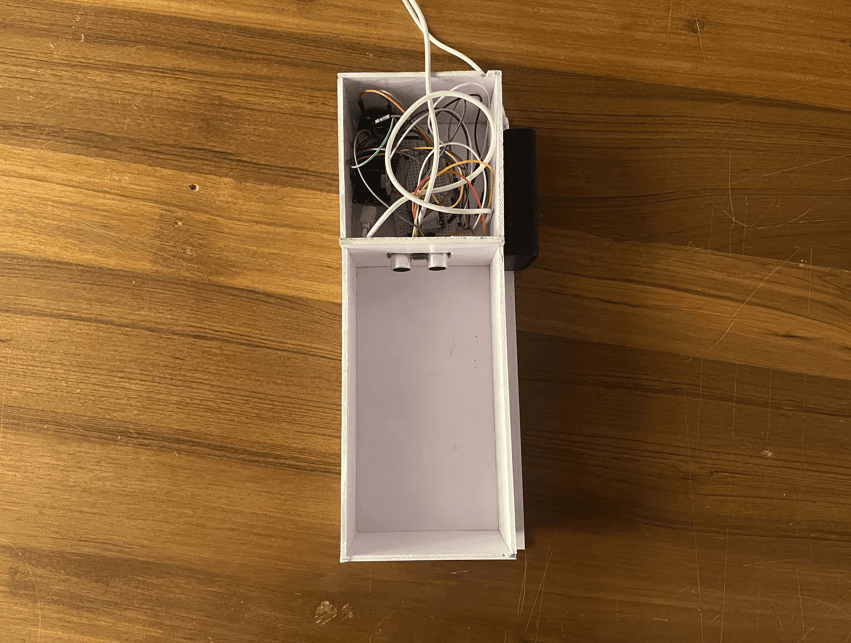
We built a working prototype using:
ESP32 (IoT controller)
Ultrasonic motion sensor
DFPlayer Mini (to play pre-recorded sounds)
A 2W speaker
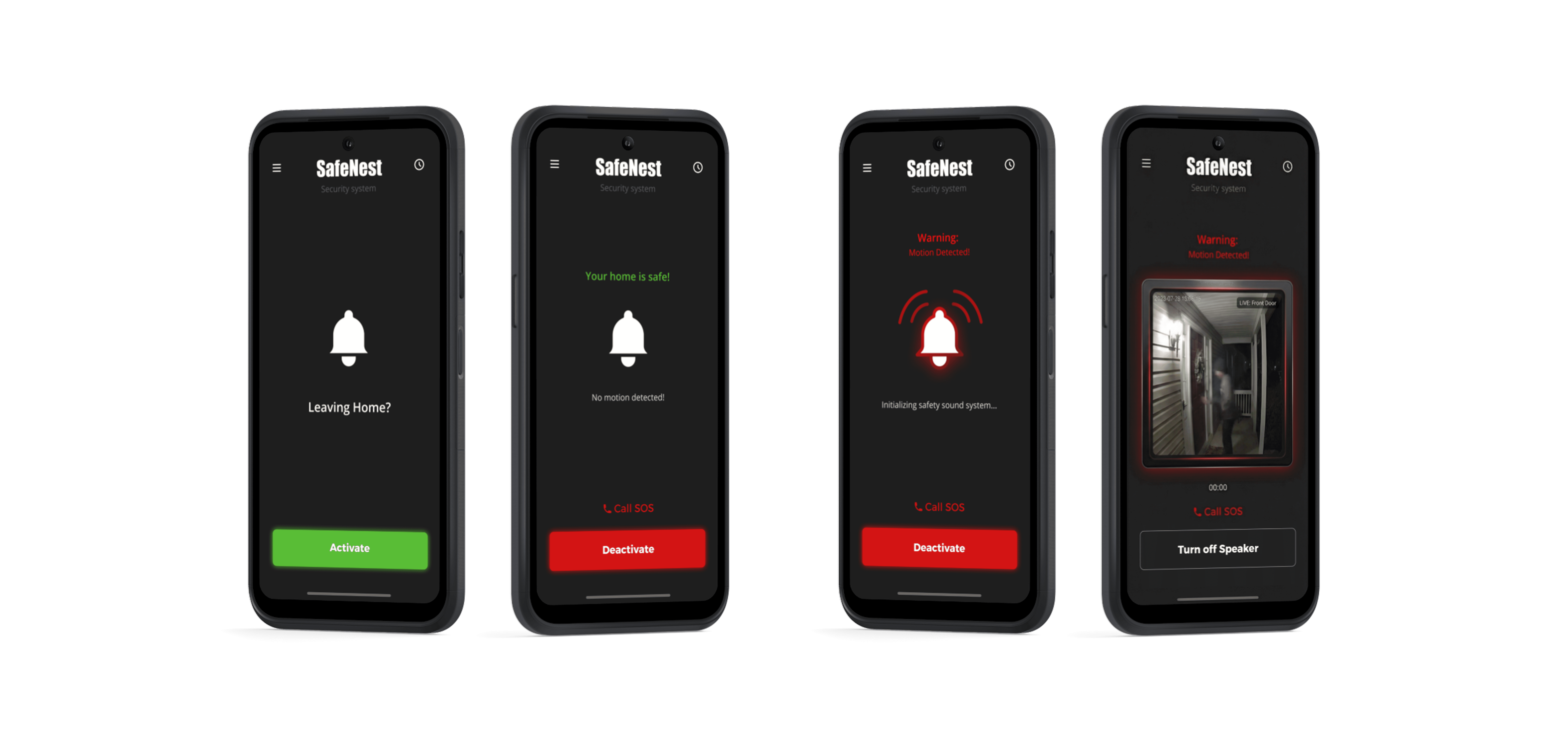
A few screen UI concepts for how the user will use the system through their personal device.
View of The experts
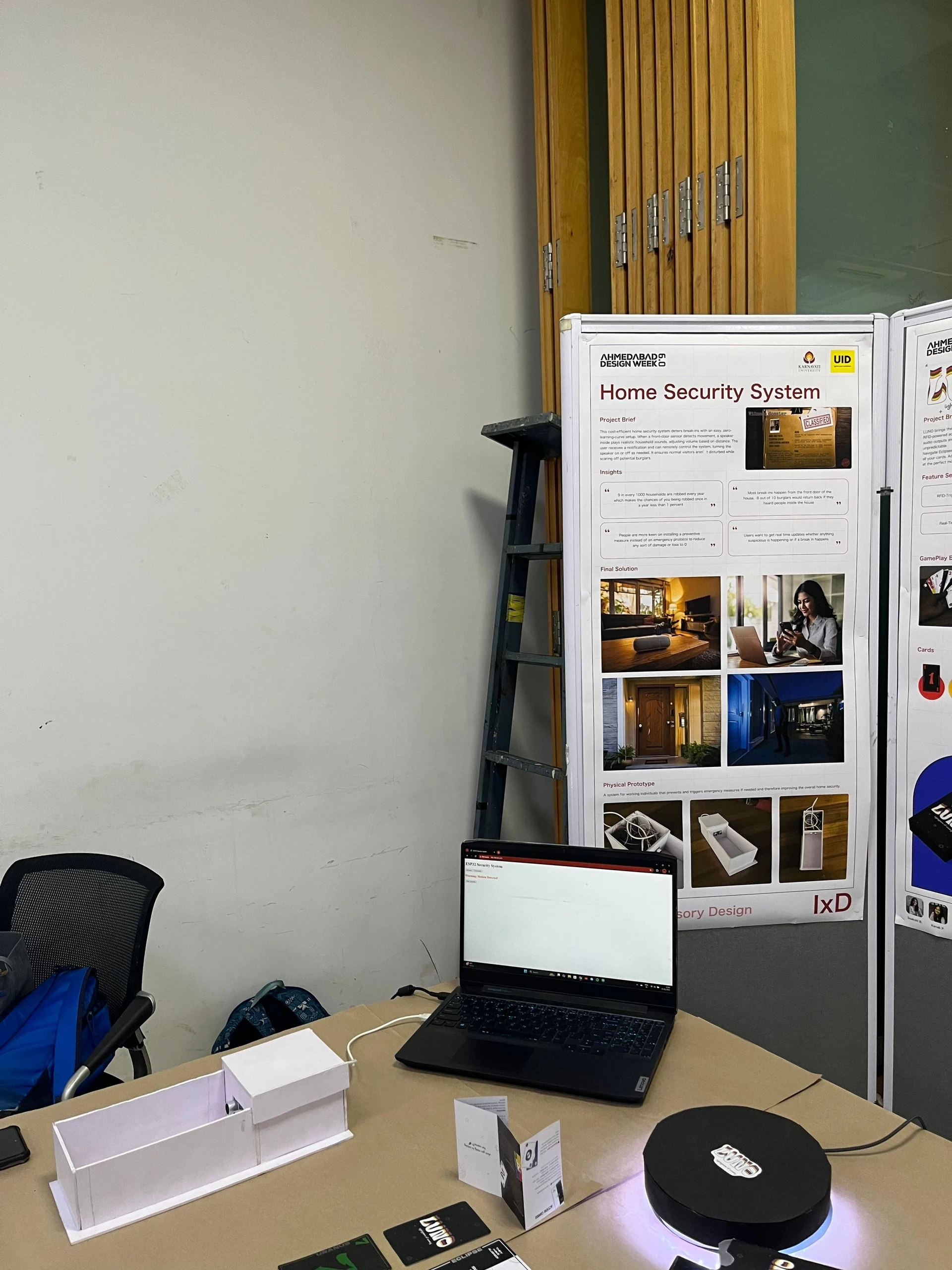
We showcased this concept at Ahmedabad Design Week, where it received positive feedback from industry experts, including WDO board members.

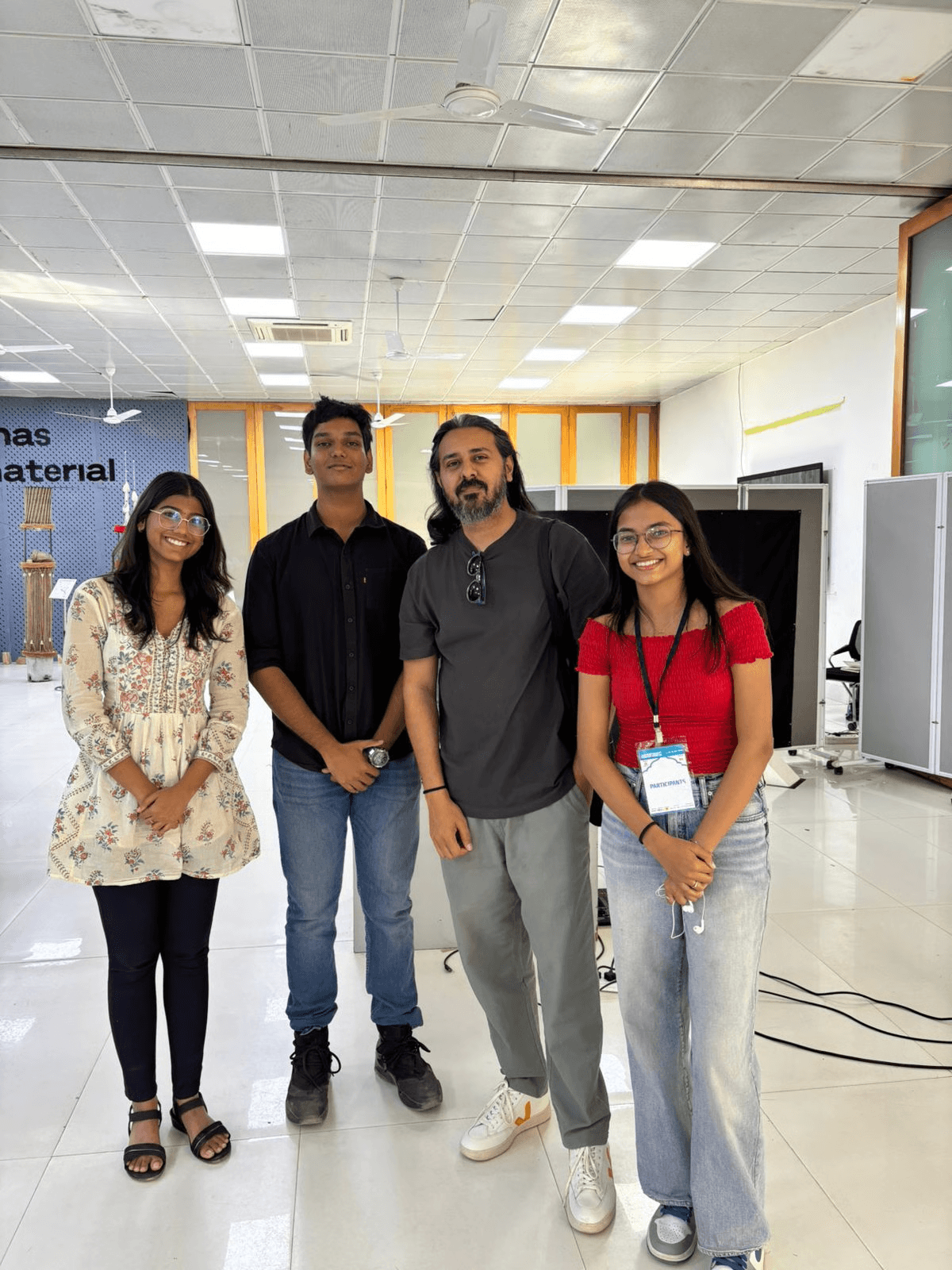
Out of the discussions, an interesting suggestion from Mr Gaurav Joshi came out that this concept could be useful for Barcelona’s squatting prevention efforts. Squatting in Barcelona is the occupation of abandoned or unused buildings or land without the owner's permission. So a solution simulating a full household can be really handy.
My Key Learnings
Hardware-Software Synergy: Bridging the physical and digital required optimizing ESP32 microcontrollers and localized audio triggers to ensure zero-latency deterrence.
Invisible Security: True security does not require massive cameras or flashing lights. The most effective systems blend seamlessly into the ambient environment, reducing the chance of tampering while demanding zero cognitive load from the user.
Cross-Cultural Scalability: Showcasing this at Ahmedabad Design Week revealed that behavioral deterrence scales beyond simple burglaries. Feedback from industry experts highlighted its potential to solve complex urban planning issues, such as mitigating the rampant property squatting crisis in cities like Barcelona.
Final Thought: Security Can Be invisible
Traditional security is often about visibility, big cameras, loud alarms, and flashing lights. But true security isn’t about making a statement; it’s about blending into everyday life. The most effective systems work quietly in the background, deterring threats without disrupting the user’s experience. This project reinforced that the best security isn’t always seen it’s felt.